01 October 2026
How an Emergency Dentist Beverly Hills Can Save Your Smile Today
Presented by @milopeyn161
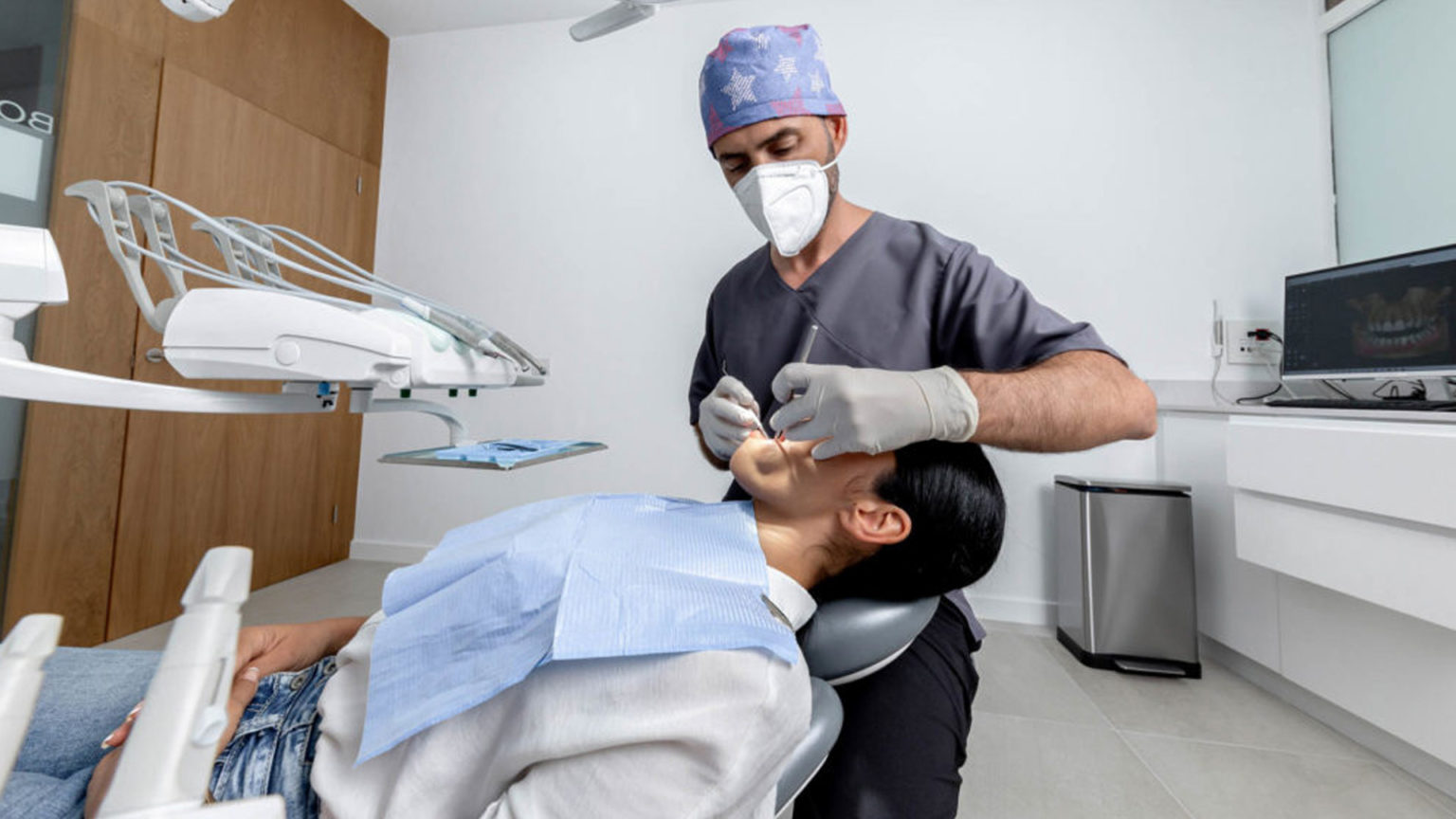
A true dental emergency rarely arrives at a convenient hour. It starts with a crack you hear while eating lunch, a throbbing tooth that wakes you at 2 a.m., or a knocked-out front tooth after a fall on the tennis court, a bike ride, or a weekend game with your kids. In those moments, people are not thinking about long-term cosmetic plans or routine cleanings. They want the pain to stop, the damage contained, and their smile protected before a bad situation gets worse.
That is where an Emergency Dentist Beverly Hills becomes so important. Fast treatment can mean the difference between saving a natural tooth and losing it. It can also reduce the need for more invasive work later, lower the risk of infection, and help preserve the appearance of your smile, especially when the problem involves a visible tooth. In a place where presentation matters and schedules move quickly, prompt care is not a luxury. It is often the smartest clinical and practical decision you can make.
Why timing matters more than most people realize
Dental problems tend to escalate in predictable ways, but they do not always start dramatically. A small fracture may feel tolerable at first, then deepen overnight. A toothache may come and go for days, then suddenly become intense once the pulp inside the tooth becomes inflamed or infected. Gum swelling may seem minor until it begins to affect the bite, the face, or the ability to swallow comfortably.
The mouth is a compact space with limited room for swelling, and that matters. Pressure builds quickly. Nerves are dense. Bacteria move easily through small openings in enamel, dentin, and gum tissue. When patients delay treatment, the body often sends clearer signals, more pain, more swelling, more heat sensitivity, or a bad taste that suggests drainage from an abscess. By that point, what might have been a simple filling or a straightforward repair can become a root canal, a crown, an extraction, or a combination of treatments.
There is another timing issue people often overlook. Some emergencies are not just about pain. They are about preserving tissue. A knocked-out tooth, for example, has the best chance of survival when it is reimplanted quickly. A fractured crown or veneer may be re-cemented or repaired more predictably if it is addressed early and the underlying tooth is not left exposed for long. Soft tissue injuries inside the mouth also heal best when they are cleaned, assessed, and managed before irritation and contamination complicate the picture.
What actually counts as a dental emergency
Not every dental problem needs same-day care, but many deserve urgent attention even if they do not look dramatic in the mirror. Severe pain is the most obvious sign, yet visible damage, swelling, trauma, and sudden functional changes can be just as serious.
An Emergency Dentist Beverly Hills typically sees cases such as broken teeth, knocked-out teeth, loosened teeth after impact, lost fillings or crowns with significant sensitivity, dental abscesses, uncontrolled bleeding, jaw pain after trauma, and infections causing facial swelling. A cosmetic issue can become an emergency too when it affects function or exposes the tooth. A chipped front tooth might look minor from a distance, but if the chip reaches the dentin or nerve, every sip of cold water can become unbearable.
One of the more common judgment errors Emergency Dentist Beverly Hills is assuming that if pain fades, the danger has passed. That is not always true. A tooth can stop hurting because the nerve has begun to die. People often misread that relief as recovery, then end up in the office days later with swelling and infection. Pain is a helpful signal, but its absence does not automatically mean the problem has resolved.
The first hour after a dental emergency
The first hour matters because it sets up the next step. Patients who stay calm and do a few simple things often arrive with a much better chance of saving the tooth or limiting complications. The goal is not to play dentist at home. The goal is to protect the area until a professional can examine it.
Here are the most useful first steps in the moment:
- Rinse your mouth gently with warm water to clear debris and help you see what happened.
- Control bleeding with clean gauze or a damp cloth, using steady pressure.
- Use a cold compress on the outside of the face for swelling or impact injuries.
- If a tooth is knocked out, handle it only by the crown, not the root, and keep it moist in milk or saliva if possible.
- Call an Emergency Dentist Beverly Hills right away and explain exactly what happened and when.
Those five actions cover the majority of true dental emergencies. They are simple, but they matter. For a knocked-out tooth, moisture and speed are everything. For a cracked tooth, avoiding pressure can prevent the fracture from spreading. For swelling, cooling the outside of the face can provide some relief while you arrange care.
A point worth stressing is medication use. Over-the-counter pain relievers may help, but aspirin should not be placed directly on the gums or tooth. People still try this old home remedy, and it can burn soft tissue without treating the source of pain. Topical clove preparations and numbing gels can sometimes reduce discomfort briefly, but they should not delay a proper exam when symptoms are severe.
What happens when you call for emergency dental care
People often wait because they fear the unknown almost as much as the pain. They imagine a long process, a crowded waiting room, or a lecture about neglect. In a well-run emergency dental setting, that is not how it works. The first phone call is usually focused, practical, and designed to triage.
The team will want to know when the problem started, whether trauma was involved, whether swelling is present, how intense the pain is, and whether there is bleeding, fever, or trouble opening the mouth. Photos can sometimes help if a front tooth is broken or soft tissue is injured, though they never replace an exam. Based on what they hear, they can often advise immediate home steps, estimate urgency, and prepare the room and materials before you arrive.
This preparation matters more than patients realize. A dentist treating a knocked-out tooth may need splinting materials ready. A patient with a likely abscess may need imaging and drainage equipment available quickly. A person who broke a crown on a front tooth before an event or business appearance may need a plan that addresses both pain and appearance on the same visit.
What an emergency dentist looks for during the exam
The visible problem is only part of the story. A tooth can look intact but be cracked below the gumline. A small chip can hide a deeper fracture pattern. Facial swelling may originate from a different tooth than the one the patient points to. Good emergency diagnosis is part pattern recognition, part careful testing.
The exam often includes a visual inspection, percussion testing, temperature testing, mobility checks, and X-rays when needed. The dentist will assess not just the tooth, but the surrounding structures, gums, periodontal ligament, bite relationship, and nearby restorations. With trauma cases, they may also evaluate the lips, cheeks, tongue, and jaw. A split tooth feels very different in treatment planning from a fractured cusp, even if both began with the same sentence from the patient: “I bit down and felt something crack.”
In real practice, the immediate aim is often stabilization, not the final ideal treatment all at once. If a tooth is severely inflamed, for example, the first visit may focus on getting the patient out of pain and preventing spread of infection. The cosmetic refinement, permanent crown, or elective restoration may come once the area is calm and predictable.
Common emergencies and how they are typically treated
Dental emergencies are varied, but certain patterns show up again and again. Understanding them helps patients make faster decisions.
A severe toothache often points to deep decay, pulp inflammation, or infection. Treatment may involve removing decay, placing a sedative filling, beginning root canal therapy, adjusting the bite, or prescribing medication when infection is clearly present. Antibiotics alone do not fix a diseased tooth. They may help control infection temporarily, but the tooth usually still needs definitive treatment.
A broken tooth can range from a minor enamel chip to a complex fracture involving the nerve or root. Small chips may be smoothed or bonded in one visit. Larger fractures may require a crown, root canal treatment, or extraction if the break extends too far below the gumline. The earlier the tooth is protected, the better the odds of a more conservative repair.
A knocked-out tooth is among the most time-sensitive problems in dentistry. If handled properly and seen quickly, an adult tooth can sometimes be reimplanted and stabilized. Outcomes vary depending on the age of the patient, the condition of the root surface, the amount of extraoral time, and whether the tooth was kept moist. Primary teeth, meaning baby teeth, are a different matter and are generally not reimplanted because of the risk to the developing permanent tooth.
An abscess demands respect. People often describe a deep, pulsating pain, swelling, tenderness to pressure, or a foul taste if drainage occurs. Left untreated, an abscess can spread into surrounding tissues. Emergency care may include drainage, opening the tooth to relieve pressure, root canal treatment, extraction, and medication when indicated. If swelling is severe or extends beyond the mouth, more urgent medical evaluation may also be necessary.
Lost crowns and fillings sound minor compared with trauma, yet they can quickly become urgent if the tooth underneath is fragile or exposed. A lost crown on a molar may make chewing impossible. A lost filling can leave a sharp edge or open cavity that traps food and sends pain through the tooth with every temperature change. Emergency treatment often involves reseating the crown if it is still usable, placing a temporary or permanent replacement, or covering the exposed area until the final restoration is made.
Cosmetic concerns are not superficial when the front teeth are involved
There is a practical reality many dentists understand well. When the damage is in the front of the mouth, the emotional impact is immediate. People become self-conscious fast. They cancel meetings, hide their smile in photos, or cover their mouth when they speak. For someone in Beverly Hills, where social and professional visibility often overlap, this can feel urgent even if the pain is manageable.
That does not mean every front-tooth issue is a medical emergency in the strictest sense. It does mean the psychological and social stakes are real, and they deserve thoughtful treatment. A skilled emergency dentist can often provide a temporary cosmetic solution the same day, bond a fractured edge, smooth sharp enamel, stabilize a loose tooth, or place a provisional restoration that looks presentable while the long-term plan is being completed.
The best results come from balancing appearance with biology. A beautiful quick fix is only a good fix if it also protects the tooth and supports proper healing. That is the kind of judgment experience brings.
When waiting until tomorrow is a mistake
Patients regularly try to “sleep on it” because they hope things will settle. Sometimes that is reasonable, such as a mild sensitivity after biting something hard, provided the tooth is intact and symptoms are improving. Many times, however, waiting changes the treatment options for the worse.
These warning signs usually mean you should not delay:
- swelling in the gums, face, or jaw
- pain that is sharp, throbbing, or keeps you from sleeping
- a broken, loose, or knocked-out tooth
- bleeding that does not stop with pressure
- fever, bad taste, or pus near a painful tooth
Any one of those signs suggests a problem that may be progressing. Together, they raise concern further. The combination of swelling and fever is especially important because it can indicate infection that is moving beyond the tooth itself.
There is also a financial angle to delay. Early intervention often costs less than reconstruction after the fact. A cracked tooth stabilized promptly may be restored with a crown. The same tooth, if ignored until it splits, may require extraction, bone grafting, and an implant. Patients do not always think of emergency care as cost-saving, but often it is.
The role of technology, without overstating it
Modern diagnostics can make emergency visits faster and more precise, especially when subtle fractures or hidden infection are involved. Digital X-rays, for example, allow immediate imaging with less radiation than older systems. Intraoral cameras help patients see what the dentist is describing. For complex trauma, three-dimensional imaging may be appropriate, particularly when root fractures or jaw injuries are suspected.
Still, technology is only part of the equation. The more important factor is clinical judgment. A good emergency dentist knows when a symptom pattern does not match the first impression, when a tooth that appears restorable is actually doomed by a vertical crack, and when preserving structure today matters more than rushing into a final cosmetic result. Tools help. Experience decides.
Why local access in Beverly Hills can make a real difference
Location may seem secondary until you are trying to get help while in pain. Then it becomes obvious why proximity matters. Shorter travel time means quicker treatment, less exposure of damaged teeth, and less time managing swelling or bleeding at home. For parents with children, busy professionals, or older adults who should not drive far while uncomfortable, local access is more than convenience.
An Emergency Dentist Beverly Hills also tends to understand the expectations and pace of the community. Patients often need flexible scheduling, discreet care, and treatment plans that account for both health and presentation. Someone may be traveling within days. Another patient may have an important public appearance, wedding, filming commitment, or business event. Emergency care in this setting often requires speed without sacrificing detail.
That said, good emergency dentistry is not about glamour. It is about decisiveness, calm communication, and technical precision under pressure. The best offices make people feel handled, not hurried.
After the emergency visit, what recovery usually looks like
Relief is often immediate after treatment, but healing is a process. Some tenderness after a procedure, especially after trauma or infection, is normal. Patients do best when they understand the difference between expected soreness and signs that need follow-up.
You may be asked to eat on the opposite side, avoid very hot or cold foods for a day or two, keep the area especially clean, use a rinse, or return for definitive treatment once the acute phase settles. A temporary fix should be treated like exactly that, temporary. It is a bridge, not the finish line. Skipping the follow-up crown, root canal completion, or bite adjustment is one of the main ways people end up back in the chair with the same problem, only worse.
For trauma cases, the timeline can be longer. Teeth that have been hit hard sometimes change over weeks or months. A tooth that tested normal on the day of injury may later show signs of nerve damage. That is why follow-up imaging and rechecks matter, even when the smile looks fine after the initial repair.
Prevention still matters, even for people who “never have dental issues”
Some emergencies are pure bad luck. You slip, take an elbow to the mouth, or crack a tooth on an olive pit hidden in a salad. Many others, though, happen in mouths that were already vulnerable. Large old fillings weaken cusps. Night grinding creates microfractures. Untreated decay hollows a tooth from the inside until one ordinary meal finishes the job.
Regular exams, bite guards for grinders, replacing failing restorations before they break, and not ignoring intermittent pain all reduce the odds of needing urgent care. So does wearing a mouthguard for sports, even casual ones. Adults are often less likely than kids to use one, perhaps because they underestimate the risk. Yet some of the worst dental injuries come from recreational sports, cycling mishaps, and fitness activities that feel low risk until they are not.
Prevention is not perfect protection. It is risk reduction. That distinction matters, because it keeps expectations realistic while still making smart habits worthwhile.
What patients often remember most
When people talk about a positive emergency dental experience, they rarely start with the equipment or the décor. They remember that someone answered the phone, took the pain seriously, explained what was happening in plain language, and moved quickly. They remember feeling embarrassed about a broken front tooth and leaving with a smile they could show again. They remember thinking they were going to lose a tooth, then hearing that it could be saved.
That is the real value of emergency dentistry. It is not only pain relief. It is preserving options. Saving structure. Preventing complications. Giving patients back control at the exact moment they feel they have lost it.
If you are dealing with sudden tooth pain, swelling, or trauma, acting quickly gives you the best chance of protecting both your oral health and your appearance. A skilled Emergency Dentist Beverly Hills can often do far more than make you comfortable for the day. In many cases, that prompt visit is what saves your smile for years to come.
Dental Group of Beverly Hills
8641 Wilshire Blvd #125, Beverly Hills, CA 90211, United States
Phone: +1 (310) 929-6335
FAQ About Emergency Dentist Beverly Hills
What is considered to be a dental emergency?
Severe tooth pain, a knocked-out permanent tooth, a significant tooth fracture, or suspected dental infection needs prompt professional assessment. Contact a dentist to describe the problem and arrange appropriate care. Trouble breathing or swallowing, uncontrolled bleeding, or major facial injury requires immediate emergency medical attention.
How to tell if tooth pain is serious?
Pain that is severe, persistent, or accompanied by fever, facial swelling, or a bad taste should be assessed promptly by a dentist. The cause cannot be confirmed from symptoms alone. If swelling affects breathing or swallowing, call 911 or go to an emergency department.
What do I do if I have a dental emergency and no dentist?
Call a nearby dental practice that accepts urgent patients and explain your symptoms, when they began, and any recent injury. Ask about the earliest available assessment and what information to bring. For life-threatening symptoms, seek emergency medical care immediately instead of waiting for a dental appointment.