01 October 2026
Emergency Dentist Beverly Hills for Immediate Repair of Broken Smiles
Presented by @milopeyn161
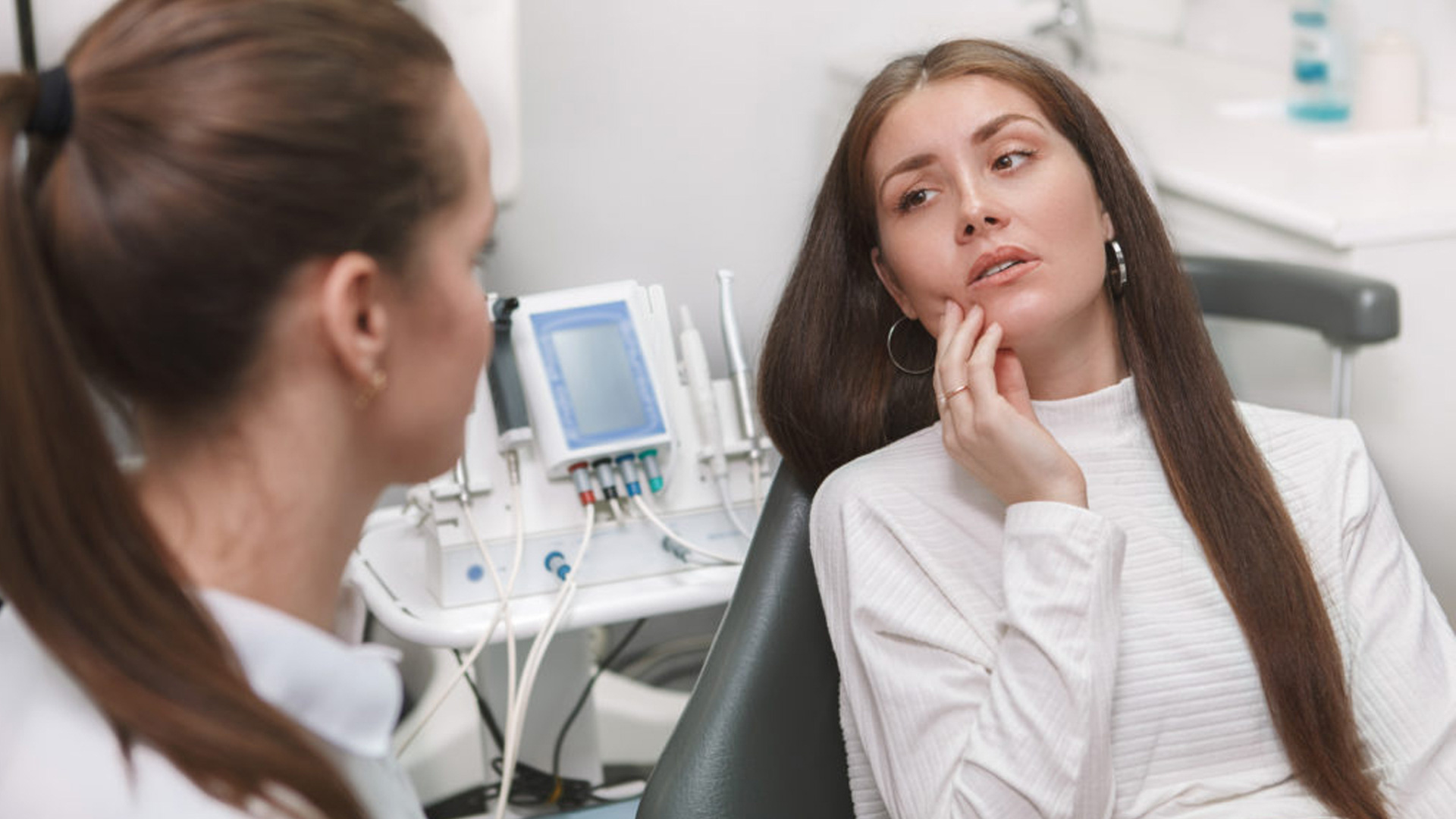
A broken smile has a way of stopping a day cold. One second you are eating lunch, stepping off a curb, finishing a workout, or rushing between meetings, and the next you are holding a piece of tooth in your hand, tasting blood, or trying not to let anyone see the damage. Dental emergencies rarely happen at a convenient hour, and they almost never arrive with warning.
That is why access to an Emergency Dentist Beverly Hills matters so much. When a front tooth chips before an event, when a crown comes loose during dinner, or when a severe toothache swells into something more serious, timing changes the outcome. Fast care is not only about appearance, though that matters to many patients. It is also about pain control, protecting the tooth structure that remains, and lowering the chances that a repair turns into a root canal, extraction, or implant later.
Patients often assume a broken tooth can wait a few days if the pain feels manageable. In practice, that decision can be expensive. Small fractures pick up bacteria. Exposed dentin becomes sensitive. Jagged edges cut the tongue and inner cheek. A lost filling leaves a hollow space that traps food and breaks further under pressure. The longer the delay, the narrower the treatment choices can become.
What counts as a true dental emergency
Not every dental problem requires same-day care, but several situations do. A cracked tooth with pain when biting, a tooth knocked loose after an impact, uncontrolled bleeding, facial swelling, trauma to the lips or gums, or sudden sensitivity with a visible break all deserve urgent attention. A missing veneer on its own may be inconvenient rather than emergent, but a broken front tooth with exposed inner layers is a different category entirely.
A good rule is simple. If the issue involves pain, bleeding, swelling, infection, trauma, or visible structural damage, call right away. Even if the office determines that you do not need to come in within the hour, that conversation gives you proper next steps. Self-diagnosis is unreliable. Patients regularly underestimate cracks that run deeper than they look, and they often overestimate what drugstore temporary cement can safely solve.
Beverly Hills sees a wide mix of dental emergencies. Some happen in ordinary ways, such as biting down on an olive pit or grinding through an old filling. Others involve cosmetic work, including a porcelain veneer that shears off, a bonded edge that chips before a photo shoot, or a temporary crown that loosens during a busy travel week. Different causes, same urgency. Once a smile is damaged, the goal is to stabilize it quickly and preserve options.
The first hour after a tooth breaks
The first response at home or on the go often shapes what can be saved. If a tooth breaks, rinse gently with lukewarm water. If there is bleeding, apply clean gauze and light pressure. If swelling begins, use a cold compress on the outside of the face in short intervals. If you can find the broken piece, store it in a clean container. Sometimes it cannot be reattached, but bringing it in still helps the dentist evaluate the fracture pattern.
There are a few mistakes that create trouble. People often chew on the opposite side and assume they are being careful, then accidentally test the damaged tooth again. Others place aspirin directly on the gum, which can burn the tissue. Some use hardware-store glue or household adhesive on a crown or veneer, which complicates proper bonding later. Even over-the-counter temporary repair kits need judgment. They can protect a spot overnight, but they are not a substitute for examination.
If the pain is intense, nonprescription pain relievers may help, assuming the patient can take them safely. Cold sensitivity is especially common when enamel is lost and dentin is exposed. Air, water, and even speaking can trigger discomfort in those cases. Covering the sharp or exposed area with temporary dental material from a pharmacy may offer short-term relief, but only as a bridge to professional care.
A practical same-day checklist
- Rinse the mouth gently and control any bleeding with gauze.
- Save any broken tooth or restoration fragments in a clean container.
- Avoid chewing on the injured side and skip very hot, cold, or hard foods.
- Use a cold compress outside the cheek if swelling starts.
- Call an emergency dental office immediately and describe the injury clearly.
That call matters more than many patients realize. The details you share, whether the tooth is loose, whether there is swelling, whether the break is near the gumline, whether a front tooth is involved, help the office prioritize the case and prepare for the most likely treatment.
Why speed matters with broken smiles
There is a cosmetic side to urgent care, especially in a place where public-facing work, social calendars, and professional appearance often carry real weight. Still, the biological side matters even more. Teeth are layered structures. Enamel is the hard outer shell. Dentin sits underneath and carries sensation. The pulp, deeper inside, contains nerves and blood supply. The deeper a fracture goes, the more vulnerable the tooth becomes.
A superficial chip may need polishing or bonding. A deeper crack can create temperature pain and biting pain. A fracture into the pulp can lead to severe discomfort, infection, or loss of vitality. Sometimes patients walk in saying the tooth does not hurt much, only to learn the crack line runs below the gum or splits the cusp in a way that will fail under normal chewing. Pain does not always track severity.
There is also the issue of contamination. An open tooth structure gives bacteria a route inward. A broken filling margin can leak. A loose crown can trap saliva and debris under the restoration. The result may be a problem that looked fixable with a conservative repair in the morning and needs a more complex plan by the end of the week.
I have seen patients bring in a front tooth fragment wrapped carefully in a napkin after a fall, and the timing made all the difference. When they came in quickly, the restoration was often more predictable and the final appearance stronger. When they waited days while testing internet remedies, the edge dried, the tooth shifted, or the fracture line worsened. Dental materials are excellent, but they work best when used early and under controlled conditions.
What an emergency dental visit usually involves
The phrase “emergency dentist” can sound chaotic, but the appointment itself is usually methodical. The first task is diagnosis. A dentist needs to know whether the damage is cosmetic, structural, or both. That means looking closely at the tooth, checking the gums, testing the bite, and often taking imaging to see what happened below the visible surface.
A broken front tooth is not always only a broken front tooth. Sometimes there is a hairline root fracture. Sometimes the neighboring tooth absorbed impact and is tender even though it looks intact. Sometimes the lip has embedded particles from the accident. A thorough emergency exam prevents narrow treatment that misses the larger issue.
Once the diagnosis is clear, treatment often begins immediately. The office may smooth a sharp edge, place a temporary or permanent bonded repair, recement a crown, stabilize a loose tooth, drain an infection, or start endodontic treatment if the nerve is involved. Cosmetic judgment matters here. So does restraint. The right emergency fix is not always the most elaborate one. Sometimes the best move is to secure the tooth, reduce pain, protect the area, and return for the definitive restoration after inflammation settles.
For patients anxious about appearance, this is often the most reassuring part of the visit. Even when the long-term repair requires a second appointment, the visible damage can often be improved dramatically the same day. A jagged dark gap can become a natural-looking temporary restoration within hours. That practical change matters to confidence, work, and social comfort.
Common repair options after a broken smile
The exact treatment depends on where the tooth broke, how much structure remains, whether the nerve is exposed, and how heavily that tooth bears force during chewing. The same chip on an upper lateral incisor and on a lower molar may call for very different decisions.
- Dental bonding often works well for small to moderate chips, especially on front teeth where shape and color can be matched artistically.
- Porcelain veneers may be appropriate when the damage affects an already veneered tooth or when cosmetic refinement is part of the final plan.
- Crowns are common when a larger portion of the tooth is missing or when an old filling has left the tooth weak.
- Root canal therapy with restoration may be needed if the fracture reaches the pulp or causes irreversible nerve inflammation.
- Extraction and replacement become necessary when the tooth is split beyond repair or fractured below a restorable level.
Each option has trade-offs. Bonding is conservative and fast, but it can stain or wear over time, especially at thin biting edges. Porcelain offers excellent esthetics and durability, but it requires planning and usually more than one step unless a temporary is placed first. Crowns protect heavily damaged teeth well, though they involve reshaping and are not ideal when a fracture extends too deep. Extraction solves an unsalvageable problem, but replacing a tooth is a bigger journey involving healing, cost, and longer timelines.
An experienced emergency dentist knows how to think in stages. First, stop the problem from getting worse. Second, restore comfort and appearance as much as possible. Third, choose the most durable long-term solution once the acute phase is under control.
Front teeth demand a different level of precision
Not all broken smiles are created equal. A chip on a back molar and a fracture on a central incisor carry different emotional and technical weight. Front tooth emergencies are visible from the moment a patient speaks. They also require a different kind of craftsmanship. Shade matching, translucency, edge texture, and symmetry with the neighboring tooth all become part of the repair.
This is where many same-day fixes succeed or fail. Speed Dental Group of Beverly Hills Emergency Dentist Beverly Hills matters, but aesthetics matter too. A patch that looks flat, opaque, or bulky can be almost as distressing to a patient as the original break. In Beverly Hills, where appearance can intersect directly with career demands, patients tend to notice these details quickly, and rightly so.
A thoughtful dentist will assess the smile line, the way the teeth reflect light, the patient’s natural wear patterns, and whether the fracture changed the bite. Sometimes the fastest visible repair is bonding. Sometimes, for a patient with existing cosmetic dentistry, protecting the area with a refined temporary while planning the final porcelain restoration is the smarter path. Immediate care should not lock the patient into a poor cosmetic outcome later.
When pain points to something deeper
Pain can be blunt or sharp, constant or intermittent. Those differences matter. Sharp pain to cold after a chip often suggests dentin exposure. Throbbing pain that lingers may indicate pulpal inflammation. Pain on release after biting can point toward a crack. Swelling, a bad taste, or tenderness near the root can signal infection.
The challenge is that teeth do not always read from a script. Some cracked teeth barely hurt at first. Some badly inflamed nerves settle down for a day and then flare dramatically at night. Patients often report that the tooth “felt fine until I bit the wrong way,” which is classic for certain fracture patterns. That uncertainty is one more reason urgent evaluation matters.
An Emergency Dentist Beverly Hills should be prepared not only to restore a visible break, but also to test vitality, interpret symptoms in context, and distinguish between a tooth that can be monitored and a tooth that needs immediate deeper treatment. Good emergency care is part triage, part restorative dentistry, and part risk management.
Dental emergencies during travel, work, or events
Beverly Hills patients often face timing complications that are not strictly medical. Someone may be flying the next morning, speaking at an event that evening, filming, attending a wedding, or heading into a week of meetings. In those moments, “Can you fix it today?” becomes the first question.
Often, the answer is yes, at least in meaningful part. A same-day emergency visit can usually relieve pain, improve appearance, and stabilize function enough to get the patient through the immediate obligation. That may mean smoothing and bonding a fractured edge, recementing a crown, placing a strong temporary, or adjusting the bite so the tooth is protected.
What matters is honesty about limits. Not every definitive repair should be rushed into a narrow time slot. If tissue is inflamed, if the fracture depth is uncertain, or if a custom porcelain result is the best path, the dentist should say so clearly. The patient deserves both immediate help and a plan that does not sacrifice long-term success for speed.
Choosing the right emergency dental office
In an urgent situation, people often search quickly and choose the first office with a reassuring website. Availability matters, but it should not be the only filter. Broken smile cases benefit from a dentist who can combine emergency judgment with cosmetic and restorative skill.
Look for signs that the office handles same-day urgent care routinely, has diagnostic imaging available, and can perform more than a temporary patch. It helps when the team communicates clearly about timing, fees, and what can realistically be completed that day. For visible front-tooth damage, experience in aesthetic dentistry is especially valuable.
Responsiveness also matters more than branding. When a patient calls with trauma, the ideal office asks practical questions, gives immediate self-care instructions, and creates a path to treatment rather than simply offering the next open cleaning slot. Emergency care is as much about systems as talent.
Cost, insurance, and the real price of waiting
Patients sometimes delay emergency treatment because they fear the bill more than the break. That hesitation is understandable, but waiting often raises costs instead of reducing them. A chip that could have been repaired with bonding may progress into a larger fracture needing a crown. A painful crack can move from reversible irritation to root canal therapy. A lost crown can expose decay that spreads underneath.
Costs vary widely by treatment and by whether the issue affects a front tooth, a back tooth, or a tooth with previous cosmetic work. Insurance may help in some emergency situations, though cosmetic components are often handled differently from medically necessary repairs. The key is to ask the office for a clear explanation of immediate versus long-term charges. Good practices can usually separate what must happen today from what can be planned thoughtfully.
The least expensive dental emergency is usually the one treated early. That is not a slogan, just a pattern seen again and again in restorative care.
What recovery looks like after urgent repair
Most same-day repairs come with a short adjustment period. A bonded tooth may feel slightly different at the edge until the tongue stops checking it every few minutes. A recemented crown may need a day or two of caution while the surrounding tissues settle. A deeper procedure can leave the area tender to pressure temporarily.
Patients do best when they follow practical aftercare. Soft foods, careful brushing, and avoiding hard pressure on the repaired area for the recommended period go a long way. If the dentist mentions a possible need for follow-up imaging or a final crown after a temporary phase, that is not upselling. It is often the final step that makes the emergency repair durable.
One point deserves emphasis. If symptoms change after the visit, worsening bite pain, swelling, spontaneous throbbing, new mobility, call back promptly. Emergency treatment is the beginning of control, not always the end of care. A well-run office expects follow-up questions and treats them as part of the process.
Broken smiles are urgent, but they are often fixable
A damaged tooth can feel catastrophic in the moment, especially when it affects a visible part of the smile. Yet many cases that look dramatic at first are highly manageable with the right timing and the right hands. The important thing is not to minimize the problem, test it repeatedly, or wait for pain to “declare itself.”
Fast evaluation preserves choices. Skilled repair protects function and appearance. And a thoughtful Emergency Dentist Beverly Hills can often turn a stressful, highly visible problem into a controlled treatment plan within the same day.
When a smile breaks, the goal is not just to patch it. The goal is to restore confidence, protect the tooth if it can be saved, and make decisions that still look smart months Emergency Dentist Beverly Hills from now. That is what immediate dental care should deliver: calm, precision, and a repair strategy built for real life.
Dental Group of Beverly Hills
8641 Wilshire Blvd #125, Beverly Hills, CA 90211, United States
Phone: +1 (310) 929-6335
FAQ About Emergency Dentist Beverly Hills
What is considered to be a dental emergency?
Severe tooth pain, a knocked-out permanent tooth, a significant tooth fracture, or suspected dental infection needs prompt professional assessment. Contact a dentist to describe the problem and arrange appropriate care. Trouble breathing or swallowing, uncontrolled bleeding, or major facial injury requires immediate emergency medical attention.
How to tell if tooth pain is serious?
Pain that is severe, persistent, or accompanied by fever, facial swelling, or a bad taste should be assessed promptly by a dentist. The cause cannot be confirmed from symptoms alone. If swelling affects breathing or swallowing, call 911 or go to an emergency department.
What do I do if I have a dental emergency and no dentist?
Call a nearby dental practice that accepts urgent patients and explain your symptoms, when they began, and any recent injury. Ask about the earliest available assessment and what information to bring. For life-threatening symptoms, seek emergency medical care immediately instead of waiting for a dental appointment.