01 October 2026
100% Ready: Why Choosing an Emergency Dentist in Beverly Hills Matters
Presented by @milopeyn161
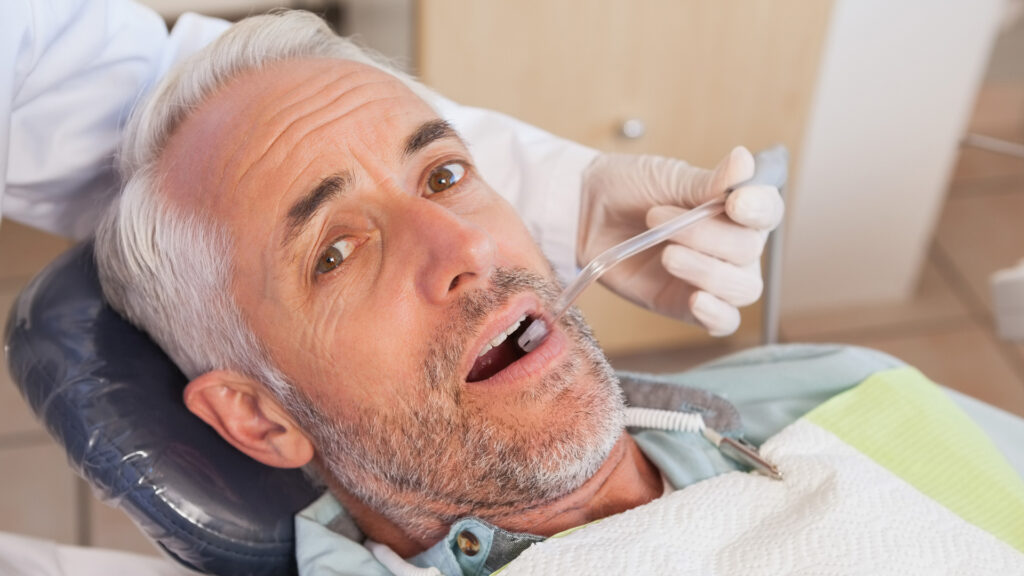
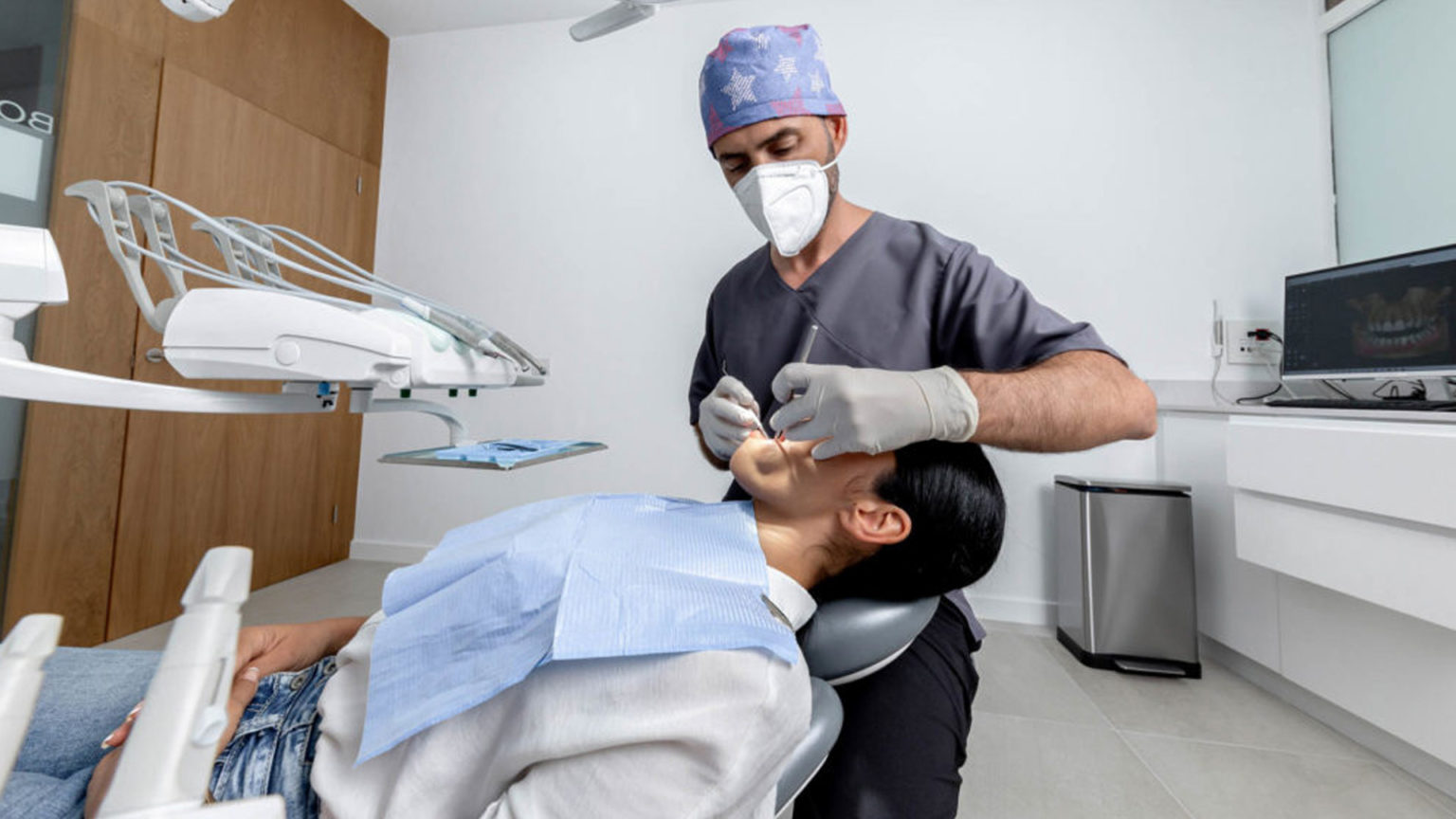
Dental emergencies have a way of turning an ordinary day into a frantic one. A cracked molar at dinner, a knocked-out tooth during a workout, a swelling that grows by the hour, these problems do not wait for a convenient time. When pain hits or visible damage appears, people tend to search quickly, make a rushed call, and hope the office on the other end can help. That is exactly why choosing an emergency dentist before you need one matters so much.
In Beverly Hills, expectations are high for both clinical care and patient experience. People are busy, schedules are tight, and appearance often carries professional weight. A dental emergency here is not just about pain. It can affect speech, confidence, sleep, work obligations, travel plans, and in some cases overall health. The right provider can steady the situation fast. The wrong one can cost valuable time, increase discomfort, and make a manageable problem far more complicated.
The phrase Emergency Dentist Beverly Hills gets searched most often in moments of panic. By then, every minute feels longer. A better approach is to know what to look for in advance, understand which emergencies truly need immediate attention, and recognize why local access, sound judgment, and real preparedness matter more than a polished website.
When speed changes the outcome
Not every dental problem is life-threatening, but many are time-sensitive. That distinction matters. A small chip in the edge of a front tooth may be mostly cosmetic for a day or two. A severe toothache with pressure and swelling is different. It can signal infection, and infections in the mouth can spread in ways people often underestimate.
Dentists who handle urgent cases regularly know that the first goal is not always a final repair. Often it is stabilization. Stop the bleeding. Control the pain. Protect the nerve. Preserve the tooth if possible. Reduce infection risk. That early intervention can dramatically improve what is possible later.
Take a knocked-out permanent tooth. In the best cases, if the tooth is handled properly and reimplanted quickly, the chance of saving it rises significantly. Wait too long, let the root dry out, or store it improperly, and the odds drop. The same is true for a broken crown that exposes sensitive structure, or a deep fracture that starts as sharp pain and becomes a root canal problem by the next morning.
I have seen people try to wait out problems that were never going to improve on their own. A patient assumes the pain will settle with over-the-counter medication. It sometimes does, briefly. But temporary relief can disguise worsening infection or structural damage. By the time they come in, a situation that might have been treated conservatively now requires more extensive work.
Beverly Hills is not the place to improvise care
Location matters more than most people realize. In Beverly Hills, patients often need an office that understands urgency in practical terms. That means more than squeezing someone in. It means having systems ready for same-day diagnostics, quick coordination, and a staff that can stay calm while moving efficiently.
An emergency dentist in this area should be able to evaluate pain, trauma, swelling, and failed dental work without unnecessary delay. Access to digital imaging helps. Experience with cosmetic restorations helps even more, because emergencies here often involve existing veneers, crowns, bonding, or implant restorations that require precision rather than rough temporary fixes.
There is also a real difference between an office that occasionally sees emergencies and one that is designed for them. The latter usually has better protocols for triage, more flexible scheduling, and a clearer understanding of what can be resolved immediately versus what needs staged treatment. That kind of judgment is difficult to fake, and it shows up in small details. How the front desk asks questions. Whether the dentist speaks to you directly before arrival if the problem sounds serious. Whether they explain what Emergency Dentist Beverly Hills to do with a dislodged crown, a lost filling, or a knocked-out tooth while you are on the way.
In a city where many patients have visible cosmetic dentistry, urgency often includes aesthetics as well as function. A broken front tooth hours before a speaking event or family photo session may not be medically dangerous, but it is still significant. The right office understands that urgency can be social and professional, not just physical.
What qualifies as a real dental emergency
People often hesitate because they do not want to overreact. That is understandable. Still, there are certain situations where waiting is a poor bet.
- Severe tooth pain that does not ease, especially if it wakes you at night or worsens with pressure
- Swelling in the gums, jaw, or face, particularly if it spreads or is paired with fever
- A knocked-out, partially dislodged, or broken permanent tooth
- Uncontrolled bleeding after injury or a recent dental procedure
- A broken restoration or fractured tooth that leaves sharp edges, exposed inner tooth structure, or significant pain
Other issues can still deserve prompt care, even if they are not as dramatic. A lost crown on a back molar may not feel urgent at first, but the tooth underneath can shift, crack, or become more sensitive. A filling that falls out can turn chewing into a problem within hours. A bite that suddenly feels off after trauma may point to a crack or displacement that is not obvious in the mirror.
A useful rule is simple. If the problem involves major pain, swelling, bleeding, visible trauma, infection, or the risk of losing a tooth, contact an emergency dentist right away.
The value of preparation before a crisis
Most people choose a general dentist based on routine care, location, insurance, or referrals from friends. Those are reasonable factors for cleanings and exams. Emergencies demand a slightly different lens.
When evaluating an Emergency Dentist Beverly Hills residents can rely on, availability matters first. Can the office accommodate same-day emergencies? Do they reserve blocks in the schedule for urgent cases? Is there an after-hours contact path, or does everything funnel to voicemail? If a patient calls at 7 a.m. With facial swelling or trauma, what actually happens next?
The second issue is scope. Some offices are excellent for preventive care but limited when a true emergency appears. Others are set up to diagnose and stabilize a wide range of situations, then either complete treatment in-house or coordinate quickly with an oral surgeon, endodontist, or periodontist. In a real emergency, seamless referral relationships are not a luxury. They save time and reduce stress.
The third issue is communication. A patient in pain does not need vague language or canned reassurance. They need direct, competent answers. Can I eat? Should I apply ice? Is this dangerous? Do I need someone to drive me? Good emergency dental teams answer those questions clearly and without making the patient feel rushed or foolish.
What a good emergency visit should feel like
An effective urgent dental appointment usually follows a simple pattern, even if the details vary. First comes triage, either over the phone or at the front desk. The team needs to understand when the pain started, whether swelling is present, if trauma occurred, what medications have already been taken, and whether there are health concerns like diabetes, pregnancy, blood thinners, or recent surgery.
Next comes diagnosis. That may include an exam, X-rays, vitality testing, periodontal probing, photos, and a bite evaluation. The point is not to do everything possible. The point is to identify the source of the problem accurately. Dental pain can be deceptively tricky. A patient may point to one tooth while the true culprit is the one behind it, or even an untreated grinding habit that cracked a cusp.
Then comes immediate management. Sometimes that means draining an abscess, placing a temporary restoration, smoothing a fractured edge, repositioning a tooth, prescribing medication when appropriate, or initiating root canal treatment. Sometimes it means telling the patient honestly that the definitive repair should wait until swelling is controlled or a specialist has assessed a complex fracture.
That kind of restraint is a sign of professionalism, not hesitation. Emergency care is not about doing the most treatment in one sitting. It is about doing the right treatment at the right time.
Why experience with cosmetic dentistry matters in Beverly Hills
Beverly Hills has a high concentration of patients with veneers, implants, crowns, bridges, clear aligners, whitening history, and smile design work. That changes the nature of many emergencies.
A chipped natural tooth is one thing. A fractured porcelain veneer is another. A loose implant crown requires a different approach than a loose natural tooth. A front tooth that has been bonded several times may need a temporary solution that protects appearance while leaving room for a more refined final result.
An emergency dentist practicing in Beverly Hills should understand both the functional and cosmetic stakes. Shade matching, contour, symmetry, and bite are not minor details when the affected tooth sits in the smile line. A hurried patch that looks passable for a back molar may be unacceptable on a central incisor.
Patients sometimes assume any dentist can make a front tooth look natural under pressure. That is not always true. Some urgent fixes are intentionally provisional, but they should still be thoughtful. The ideal office can balance speed with aesthetics, so the patient can return to work or social obligations without feeling self-conscious.
The hidden cost of waiting until you are desperate
The biggest downside to waiting is obvious: pain usually gets worse. Less obvious is how rapidly treatment options can narrow.
A cracked tooth that is caught early may be saved with a crown. If the crack deepens into the pulp, root canal therapy may be needed. If it extends below the gum line or splits the root, the tooth may be lost. The same progression applies to decay under an old filling, untreated infection, or a loose restoration that lets bacteria seep underneath.
There is also the issue of inflammation. Once tissues are significantly swollen, even simple treatment can become more uncomfortable and less predictable. Local anesthesia may be harder to achieve in infected areas. The bite may be difficult to assess accurately. Healing can take longer. Patients who wait often end up needing several appointments instead of one urgent intervention and one planned follow-up.
Financially, delays tend to be expensive. Early treatment often means smaller repairs. Late treatment often means specialist care, more imaging, more chair time, more missed work, and more stress.
A few practical steps while you are on the way
A well-run office will usually guide you by phone, but there are some common-sense measures that help in many situations.
- If a permanent tooth is knocked out, hold it by the crown, not the root, and keep it moist in milk or saliva if you cannot place it back gently
- Use a cold compress on the outside of the face for swelling or trauma
- Rinse with warm salt water if the area is sore or irritated, unless the office gives different instructions
- Avoid chewing on the affected side and skip very hot, very cold, or very hard foods
- Bring a list of medications, allergies, and any recent dental treatment, especially if the emergency involves a crown, implant, or root canal tooth
One caution is worth stressing. Pain relievers can help, but they should not be used to postpone evaluation when swelling, trauma, or persistent pain is involved. Masking symptoms is not the same as solving the problem.
What separates a reliable emergency dentist from a convenient one
Convenience matters. Reliability matters more. Plenty of offices advertise urgent care, but patients should look deeper than same-day availability.
A dependable emergency dentist will have clear systems for triage, diagnostics, pain management, and follow-up. The team should know how to distinguish between a manageable issue and a true emergency that may require hospital evaluation, such as swelling that affects swallowing or breathing. They should explain the diagnosis in plain English, discuss realistic treatment options, and avoid making promises that are not clinically sound.
That kind of office also respects the emotional state of someone in pain. Dental emergencies can trigger a level of anxiety that surprises even calm adults. People fear bad news, needles, costs, and loss of control. Good emergency care acknowledges that. It does not dramatize the problem, but it does not minimize it either.
One of the most reassuring signs is thoughtful follow-up. A patient who has had temporary treatment should leave knowing exactly what comes next, what symptoms are expected, what symptoms are not, and who to contact if the situation changes overnight.
Beverly Hills patients often need discretion as well as speed
There is a practical reality in Beverly Hills that many outside the area overlook. Patients may be balancing urgent care with public-facing work, media appearances, travel, or demanding family and professional schedules. An emergency dentist in this environment often needs to act with a degree of discretion and efficiency that goes beyond standard scheduling.
That does not mean rushing treatment. It means reducing friction. Paperwork should be streamlined. Communication should be clear. If a person is flying the next morning or has an event that evening, the office should be able to explain what is possible, what is not, and what temporary solution offers the safest bridge.
This is especially important with front-tooth emergencies. A skilled clinician can sometimes provide a same-day temporary repair that restores appearance and protects the tooth, then complete a stronger or more refined final restoration later. Knowing how to stage treatment without compromising the result is a real clinical skill.
Choosing before you need to choose
The smartest time to choose an Emergency Dentist Beverly Hills practice is when nothing hurts. That gives you the chance to ask calm questions, read carefully, and compare offices without pressure.
Look for an office that makes emergency access clear. Check whether urgent visits are truly available, not just advertised. Pay attention to whether the practice communicates like a real healthcare provider or like a marketing team. Reviews can be helpful when they mention concrete details such as same-day care, responsiveness, pain relief, and follow-up, rather than generic praise.
If you already have a general dentist, ask how emergencies are handled after hours. Ask where they refer if a root canal specialist or oral surgeon is needed quickly. If you are new to the area, establish this plan before a holiday weekend or business trip. Dental crises have a habit of arriving at the least convenient moment.
Families should take this one step further. Keep the office number saved, know the location, and understand how to respond if a child chips a tooth, a spouse loses a crown, or an older parent develops swelling around a denture or implant. Preparedness reduces panic, and panic is never a good decision-maker.
Good emergency care protects more than teeth
People often think emergency dentistry is about getting out of pain, and of course it is. But the best urgent care does something broader. It protects future treatment options. It protects appearance. It protects sleep, nutrition, speech, and peace of mind. Sometimes it protects health in a far more serious way by catching an infection before it progresses.
That is why the choice matters. When you know where to go, what to expect, and whom to trust, an emergency becomes more manageable from the first phone call. You are not gambling on whoever picks up. You are turning to a team prepared to act quickly, diagnose accurately, and make sound decisions under pressure.
For anyone living or working in this area, having a trusted emergency dentist is part of being ready. Not anxious, not overprepared, just ready. And when the unexpected happens, readiness is often the difference between a difficult day and a lasting problem.
Dental Group of Beverly Hills
8641 Wilshire Blvd #125, Beverly Hills, CA 90211, United States
Phone: +1 (310) 929-6335
FAQ About Emergency Dentist Beverly Hills
What is considered to be a dental emergency?
Severe tooth pain, a knocked-out permanent tooth, a significant tooth fracture, or suspected dental infection needs prompt professional assessment. Contact a dentist to describe the problem and arrange appropriate care. Trouble breathing or swallowing, uncontrolled bleeding, or major facial injury requires immediate emergency medical attention.
How to tell if tooth pain is serious?
Pain that is severe, persistent, or accompanied by fever, facial swelling, or a bad taste should be assessed promptly by a dentist. The cause cannot be confirmed from symptoms alone. If swelling affects breathing or swallowing, call 911 or go to an emergency department.
What do I do if I have a dental emergency and no dentist?
Call a nearby dental practice that accepts urgent patients and explain your symptoms, when they began, and any recent injury. Ask about the earliest available assessment and what information to bring. For life-threatening symptoms, seek emergency medical care immediately instead of waiting for a dental appointment.